



Labeling systems for the insulation & building materials industry
Precise, durable & standard-compliant - for insulation boards, building material packaging & production lines
-
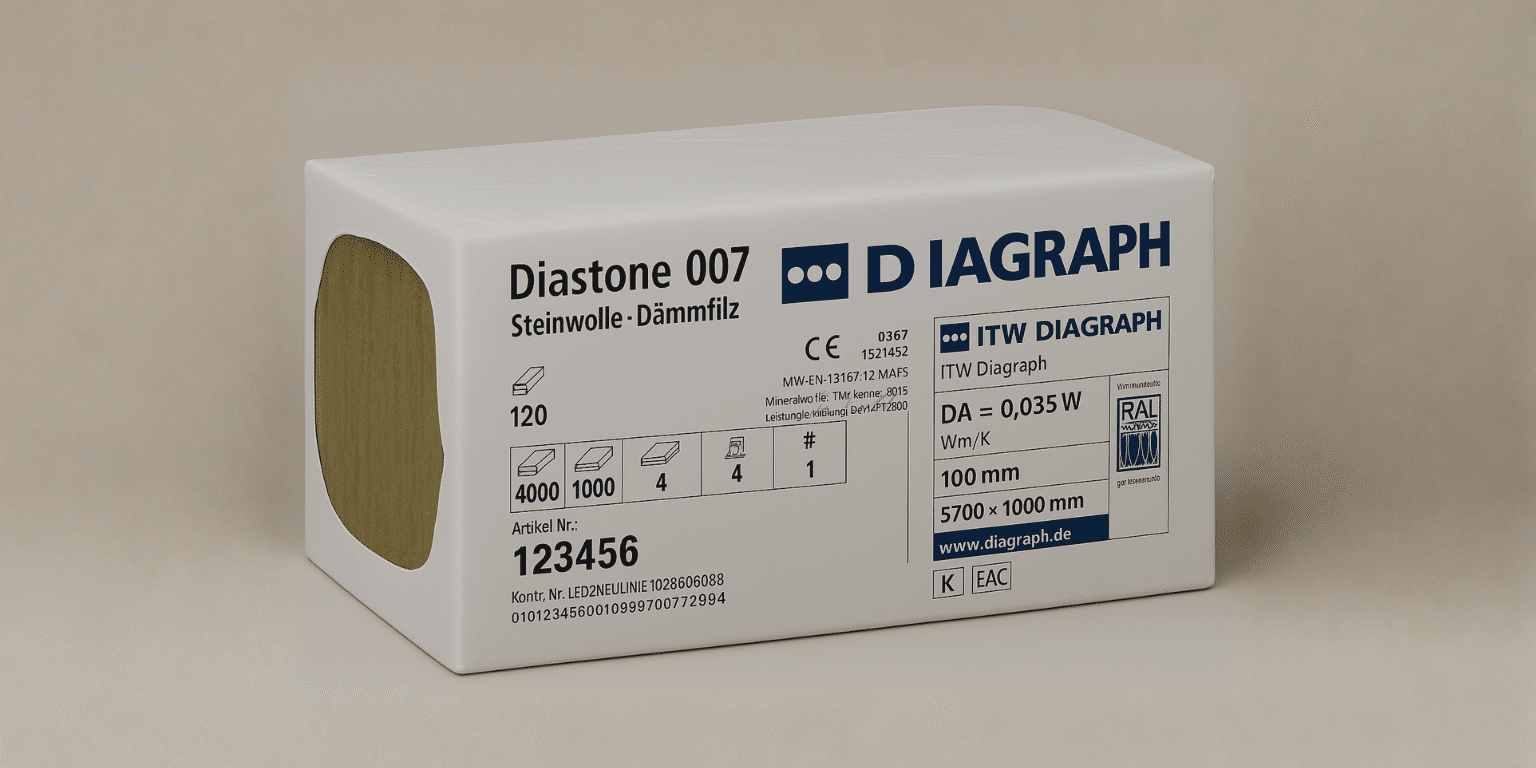
Precise labeling for building materials and insulation materials with compliance with all standards such as BauPVO and CE
-
Efficient printing solutions for production and logistics with high speed and flexibility
-
Individual systems for every type of building material


Many companies already rely on our labeling solutions



The printers for building material and insulation labeling
Diagraph systems for precise labeling
You can order the following thermal transfer printers from us - including thermal transfer ribbon and design software:


Sasol relies on reliable labeling
The NGT6 thermal transfer printer from Diagraph meets all the requirements of a modern, precise and reliable marking solution at Sasol Brunsbüttel - even under demanding production conditions. Its integration into the ERP system, long service life and simple maintenance make it an ideal solution both economically and technically. This solution can also offer real added value for other companies - particularly in the chemical, pharmaceutical and food industries.
Download case study free of charge
Sasol Brunsbüttel relies on reliable marking with the NGT6 thermal transfer printer from Diagraph

Purpose and importance of labeling in the building materials industry
The labeling of building materials plays a central role for the entire industry. It ensures clear identification of products in the warehouse and during transport, supports efficient organization and logistics and guarantees traceability - a decisive factor for products with different production batches. At the same time, it ensures that all legal requirements such as the Construction Products Regulation (CPR), CE marking or industry-specific standards are met.

The insulation industry is a particularly label-intensive sector. In the past, insulation materials were often marked with simple labels or manual stamps, which led to higher costs and inflexible processes. Today, manufacturers are increasingly using modern thermal transfer printers to print variable data such as batch numbers, product information or logos directly onto packaging and boards. This increases productivity, reduces costs and ensures permanently legible markings - even under harsh production conditions.
Different types of building materials and their labeling
The building materials industry comprises a wide range of materials that are used in building construction, civil engineering and renovation. These include concrete and brick products, timber construction elements, metal profiles, but also insulation materials such as EPS and XPS boards, mineral wool and wood fiber insulation materials. Each material has specific marking requirements - from resistance to dust and moisture to clearly legible markings on uneven surfaces.
In practice, two main methods are used: direct printing and labeling. Direct printing - for example on insulation boards or film packaging - is particularly robust and ideal for transportation and storage under changing conditions.
Whether for wholesalers, construction sites or end customers - standard-compliant labeling of building materials ensures that all relevant data is quickly recorded, clearly assigned and permanently legible.
LABELING BUILDING MATERIALS: APPLICATIONS IN THE INDUSTRY
In the building materials and insulation industry, the clear marking of products such as insulation boards, bricks or mortar bags is crucial for traceability, logistics and compliance with standards such as BauPVO and CE.
With modern industrial printers, large quantities can be marked quickly, flexibly and in high quality - directly in production or in the logistics center.
Typical areas of application:
LABEL PRINTING IN THE BUILDING MATERIALS INDUSTRY - STANDARDS AND REGULATIONS
Label printing in the industry plays a central role in the building materials and insulation sector. It ensures that products such as insulation boards, mortar bags or building material packaging are not only visually appealing, but also labeled in accordance with standards. Whether batch information, product details, CE marking or logistics codes - all information must be permanently legible and applied in accordance with legal regulations.
Important standards in building material labeling:
With our industrial printers for label printing in the building materials industry, these specifications can be implemented quickly and easily - directly in production, without time-consuming post-processing. Thanks to variable print images, layouts, logos or barcodes can be adapted at any time to meet the requirements of different markets and customers.
Coding made simple
We are the experts in our field.
We always think one step ahead and solve problems before they arise to make it as easy as possible for our customers to label their products reliably.
With us, every customer has a direct contact person who takes care of their concerns, asks the right questions and finds the right answer.
So that everything is simple and straightforward for our customers.
Over 125 years
Experience
DIN ISO 9001
Certificate
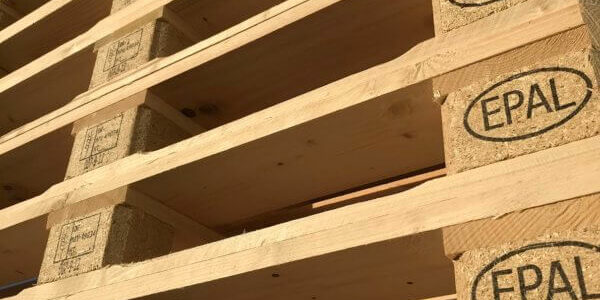
EPAL
Certificate
Patented
Developments
Own
Production
Modern labeling methods for building materials

THERMAL TRANSFER PRINTING IN THE BUILDING MATERIALS INDUSTRY: NGT6/NGT8
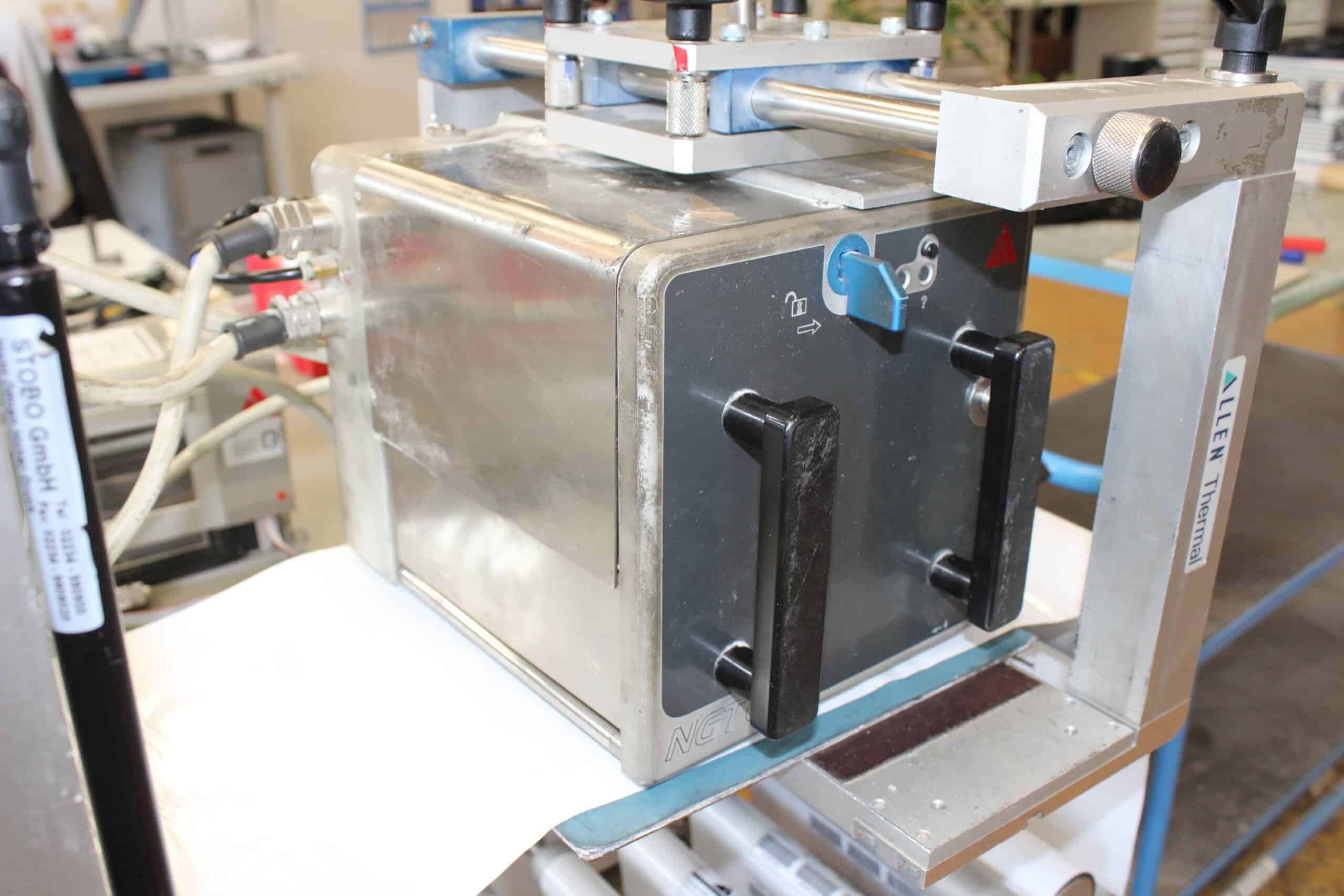
Marking with NGT6/NGT8
The NGT6 and NGT8 thermal transfer printers are particularly suitable for large-format prints and high print resolutions - perfect for building material manufacturers who need to apply extensive product information, multilingual information or detailed safety and standard markings.
Advantages for building material labeling:
- Very high print resolution for razor-sharp text and symbols
- Large print width for extensive layouts
- High speed even with complex content
- Robust technology for continuous operation in dusty production environments
- Perfect for legally required building material labeling
Thermal transfer printers in use
Find yourself in labeling with thermal transfer printers

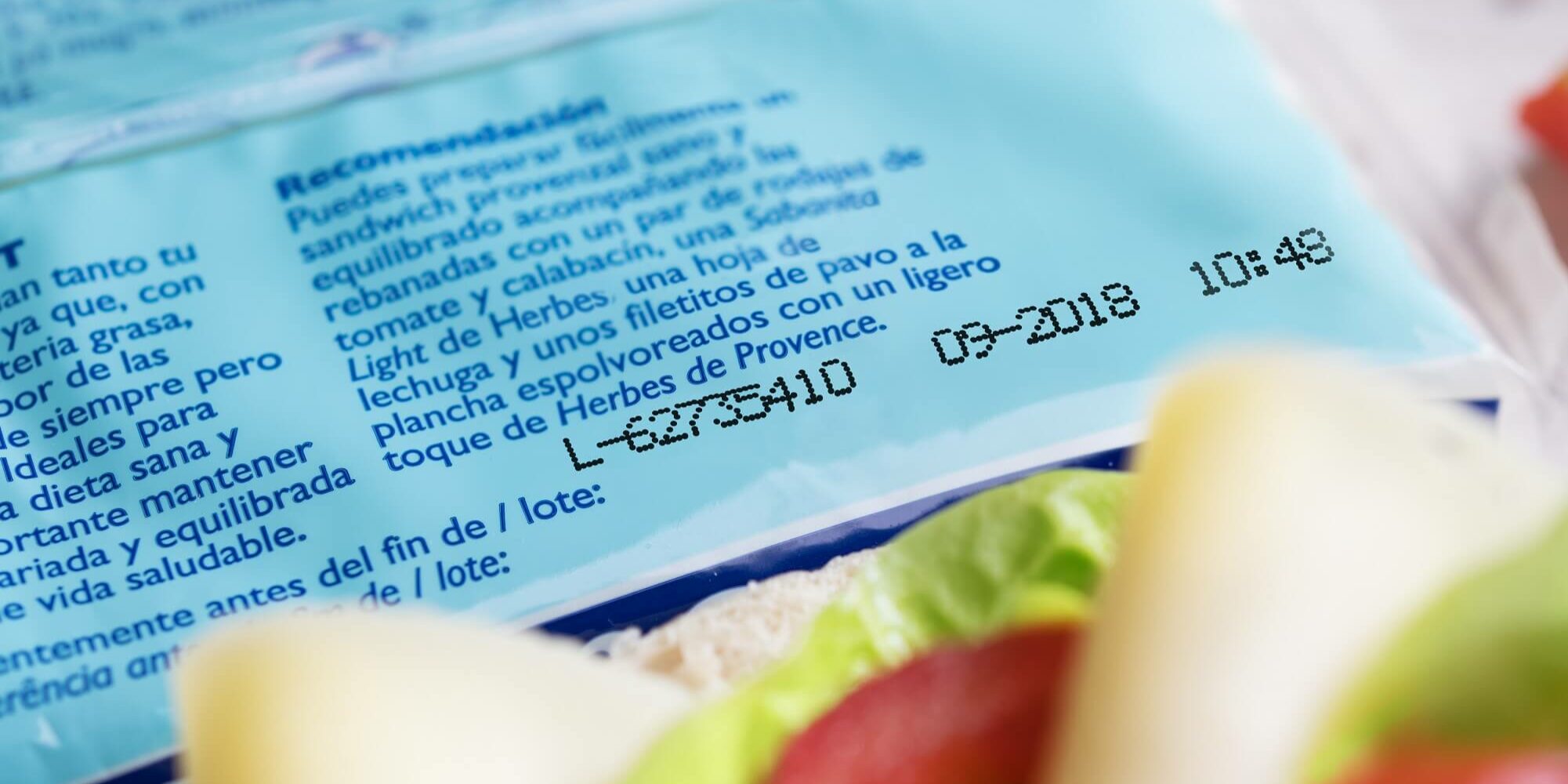
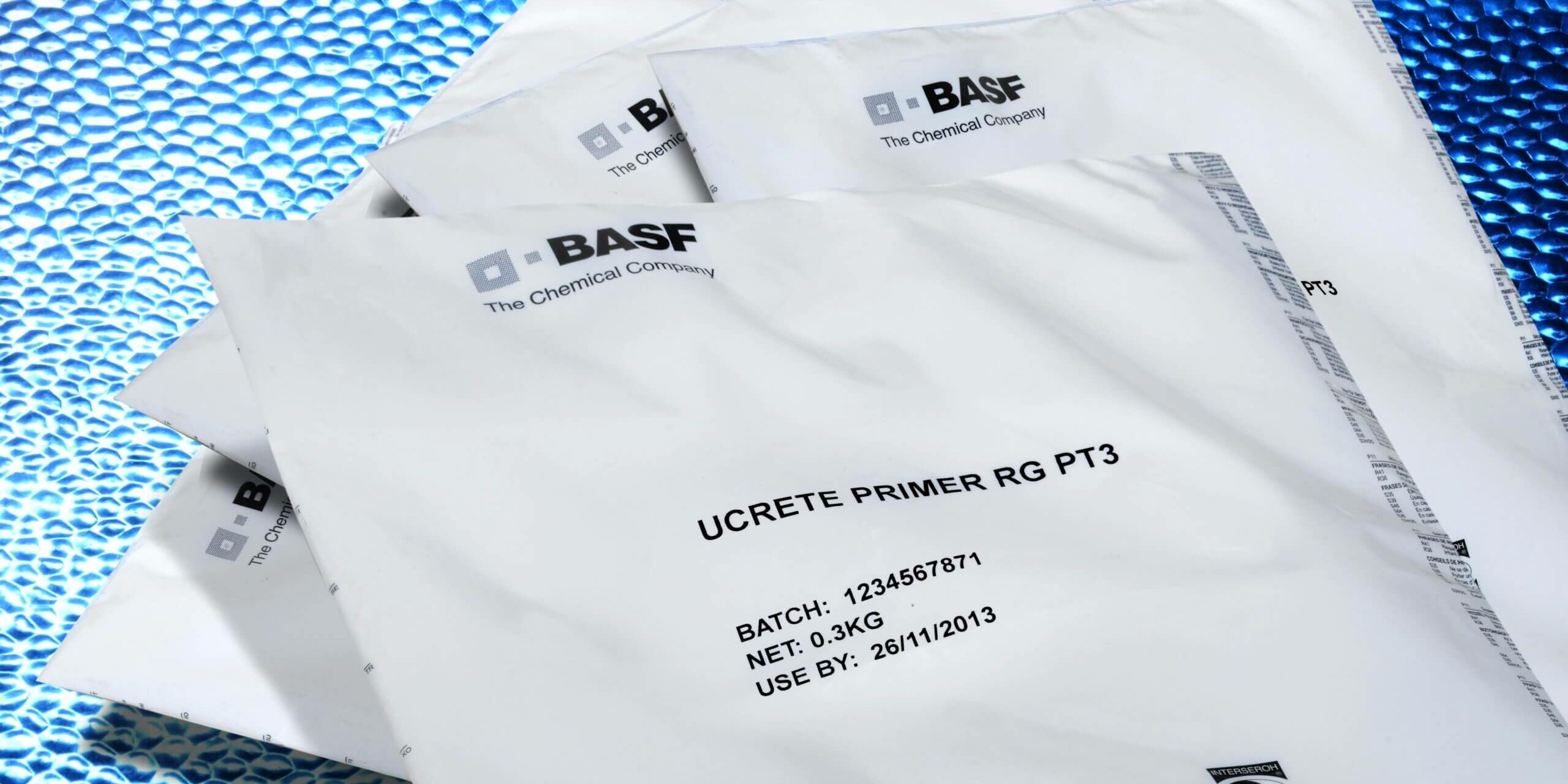
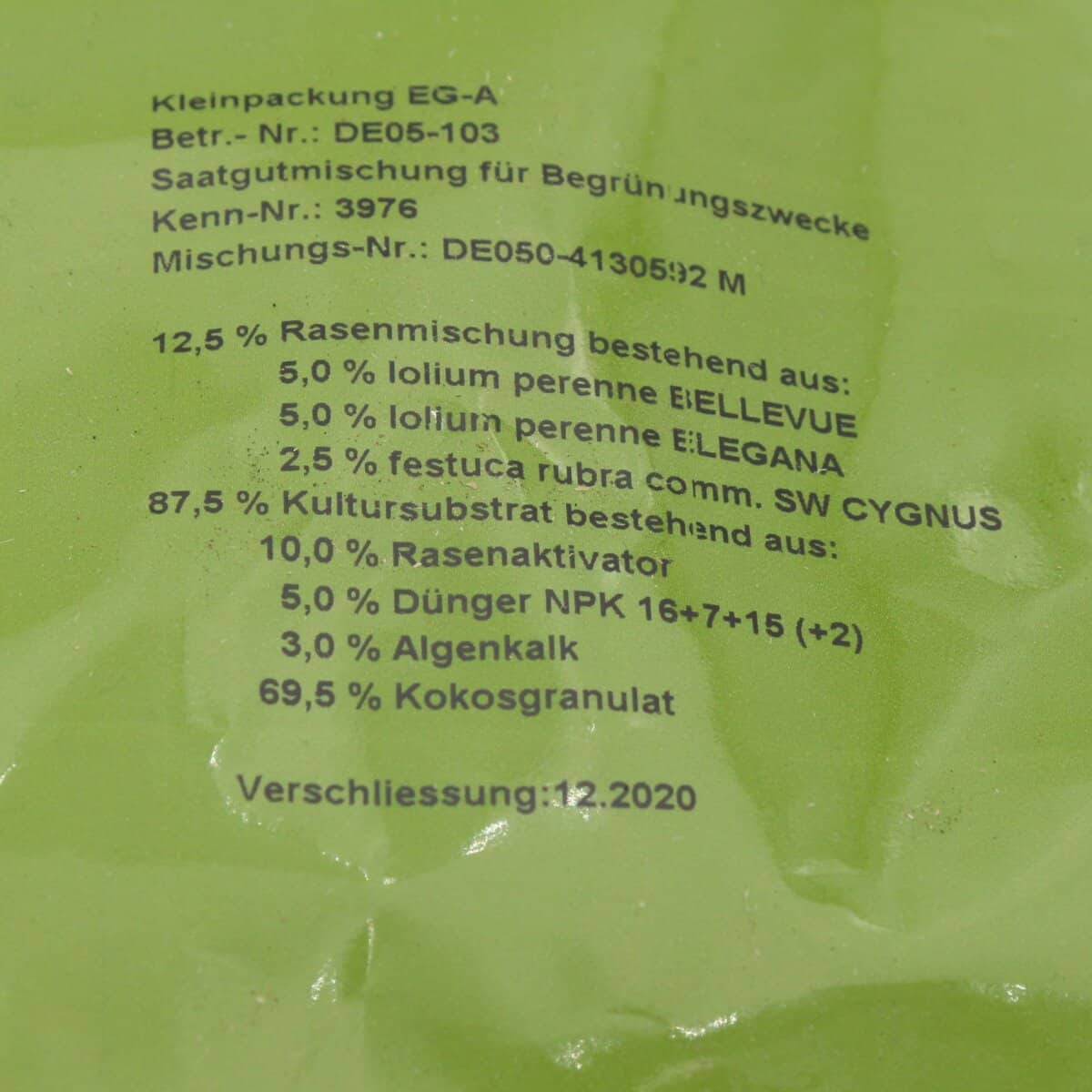
Thermal transfer printing on tubular bags
Thermal transfer printers are frequently used in the marking of plastic films for tubular bag packaging. With your large and high-resolution print image, a lot of information can be applied in the best quality.


ADVANTAGES OF MODERN LABELING SYSTEMS FOR THE BUILDING MATERIALS INDUSTRY
Modern marking systems for the building materials industry rely on high-performance thermal transfer printers to precisely and permanently mark products such as insulation materials, cement bags, big bags, pallets or other building material packaging. Compared to conventional methods such as branding stamps or simple label solutions, these systems offer decisive advantages in terms of print quality, speed, cost-effectiveness and legally compliant building material marking.
With Diagraph thermal transfer printers , building materials can be marked reliably, durably and efficiently.
Three steps to perfect labeling


Contact us


Find a solution
You get a complete solution tailored to your needs, comprising labeling systems, software, networking and consumables.


Enjoy
You can work comfortably –
your system is running smoothly.
FAQ
Do you have further questions? You can find more details here.
How are building materials correctly labeled in production and logistics?
Building materials such as bricks, concrete products, metal profiles or insulating materials are often produced using thermal transfer printers printed or labeled directly. The right building material marking ensures quick identification in the warehouse and during transportation, fulfils legal requirements and supports seamless traceability.