



Definition and meaning of the labeling requirement
Mandatory labeling refers to the obligation of manufacturers, importers or retailers to affix legally required information to products or packaging in a clearly visible, permanent and legible manner. This information serves end consumers as well as authorities and business partners.
The manufacturer labeling requirement is a central component of product compliance and ensures that products can be clearly assigned, tested and recalled if necessary.
The most important facts in brief
-
Mandatory labeling obliges manufacturers, importers and retailers to label products with clear, permanent and legible information to ensure consumer protection, product safety and traceability
-
Mandatory information includes manufacturer information, product name, batch or serial number, shelf life, ingredients, safety and warning information and, if applicable, CE marking, origin and disposal instructions
-
Additional labelling requirements apply to hazardous products such as chemicals or medical devices and to foodstuffs in order to minimize risks and provide consumers with comprehensive information
-
Products must be labeled in accordance with EU regulations, national regulations may apply in addition, which means that manufacturers must regularly check their labels
-
Systems from providers such as Diagraph enable legally compliant, efficient and permanent implementation of labeling obligations


Product labeling obligation - mandatory information
The obligation to label products applies to almost all goods that are placed on the market. Depending on the product, the following information may be required:
- Manufacturer's name and address
- Product designation and identification features
- Batch or serial numbers
- Safety and warning notices (e.g. "not suitable for children under 3 years")
- CE marking or other marks of conformity
- Material, content or hazard information (e.g. REACH, chemical substances, allergens)
- Best before or use by date
- Net quantity or weight
- Instructions for use (e.g. dosage, instructions for use, care instructions)
- Indication of origin / country of origin
- Importer or trader (for goods from third countries)
- Take-back or disposal instructions (e.g. for electrical appliances, batteries)
This mandatory information ensures that products can be marketed with legal certainty, that consumers are fully informed and that manufacturers and retailers comply with legal requirements. Additional, specific labeling requirements may apply, particularly for international products or regulated goods (e.g. food, cosmetics, electrical appliances).
Mandatory labeling of hazardous products
Additional labeling requirements apply to products that are classified as hazardous - e.g. chemicals, electrical appliances or medical devices. These include information on storage, handling, safety, disposal and legally prescribed symbols. Clear and legible information is particularly important here so that consumers and employees can recognize risks at an early stage and handle the products safely. Information on the labeling of hazardous substances helps manufacturers and retailers to correctly implement the requirements of EU regulations. Compliance with these regulations is a central component of the manufacturer's labeling obligation and product compliance and protects both companies and users from legal and safety-related problems.
Mandatory labeling in the EU
The labeling obligation in the EU is based on many directives and regulations. It lays down minimum requirements that products must meet if they are sold within the European single market. These include rules on product safety, consumer protection and environmental labeling.
Companies must ensure that their products are labeled in accordance with EU regulations in order to avoid penalties, recalls or sales bans. Adhering to these requirements is an important part of product compliance and protects consumers and trading partners at the same time.
Differences between national and EU labeling requirements
The EU labeling obligation applies in principle to all member states, but individual countries can introduce additional national rules. This means that a product sold in Germany must meet both the EU requirements and the German requirements.
Manufacturers and retailers should regularly check the regulations and adapt their labeling. This is the only way they can ensure that their products are sold in a legally compliant manner, fines are avoided and recalls are minimized. At the same time, this facilitates the traceability of products and strengthens the trust of customers and business partners.
Mandatory labeling for packaging
The labeling obligation for packaging applies to both sales and transport packaging. It ensures that consumers, trading partners and authorities receive all relevant information and that products can be handled in a legally compliant manner. In addition to basic information about the product, this also includes information on traceability, material composition and environmentally friendly disposal. Typical examples include bottle labels, food labels and transport cartons, which must clearly display all mandatory information.
In many cases, packaging must also contain machine-readable codes that facilitate quick identification and logistics processes. Clear and legally compliant information on packaging not only ensures compliance, but also creates transparency, which strengthens end customer confidence and promotes the responsible use of products.
Mandatory labeling of foodstuffs
The labeling obligation for food is particularly strictly regulated and serves to protect consumers. The basis for this includes the Food Information Regulation (FIR) and the Food Labeling Regulation.
The mandatory information includes, among other things:
- List of ingredients and allergens
- Nutritional information
- Best before or use by date
- Indications of origin
- Name and address of the manufacturer or distributor
Mandatory food labelling ensures that consumers can make informed purchasing decisions and that health risks are minimized.
Mandatory labeling and product compliance
The labeling obligation is an essential part of product compliance. It ensures that products meet all legal, normative and safety-related requirements. Incorrect or incomplete labeling can lead to legal consequences, delivery stops or reputational damage.
Modern labeling systems help companies to efficiently implement legal requirements and reliably integrate labeling processes into existing production and packaging lines.


Products from Diagraph for mandatory labeling
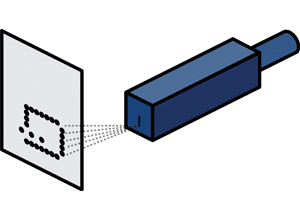
Diagraph offers a wide range of labeling solutions that support companies in implementing legal labeling requirements. The systems are suitable for marking various materials such as plastic, glass, metal or cardboard.
With Diagraph products, mandatory information such as manufacturer information, expiration dates, batch or serial numbers as well as safety and warning notices can be applied to products and packaging reliably, permanently and legibly.
Available printing systems:
Conclusion: Why mandatory labeling is essential
The labeling obligation is a central component of product safety, transparency and legal protection. It ensures that consumers are comprehensively informed, products are traceable and legal requirements are met. For manufacturers, importers and retailers, compliance with the labelling obligation is not only mandatory, but also a decisive factor for product compliance and minimizing risks such as recalls, fines or reputational damage.
Consistent implementation of the labeling obligation also strengthens the trust of customers and business partners, improves the traceability of goods and facilitates the integration of modern labeling systems, for example for packaging or hazardous substances. Companies that design their labeling processes professionally benefit in the long term from more efficient processes, increased legal certainty and better market positioning.
FAQ
Do you have further questions? You can find more details here.
What are labeling requirements?
Labeling obligations describe the legal requirements to label products, packaging or goods with certain information. The aim is to inform consumers, guarantee safety and ensure the traceability of products. Manufacturers, importers and retailers are obliged to display this information clearly and permanently.